
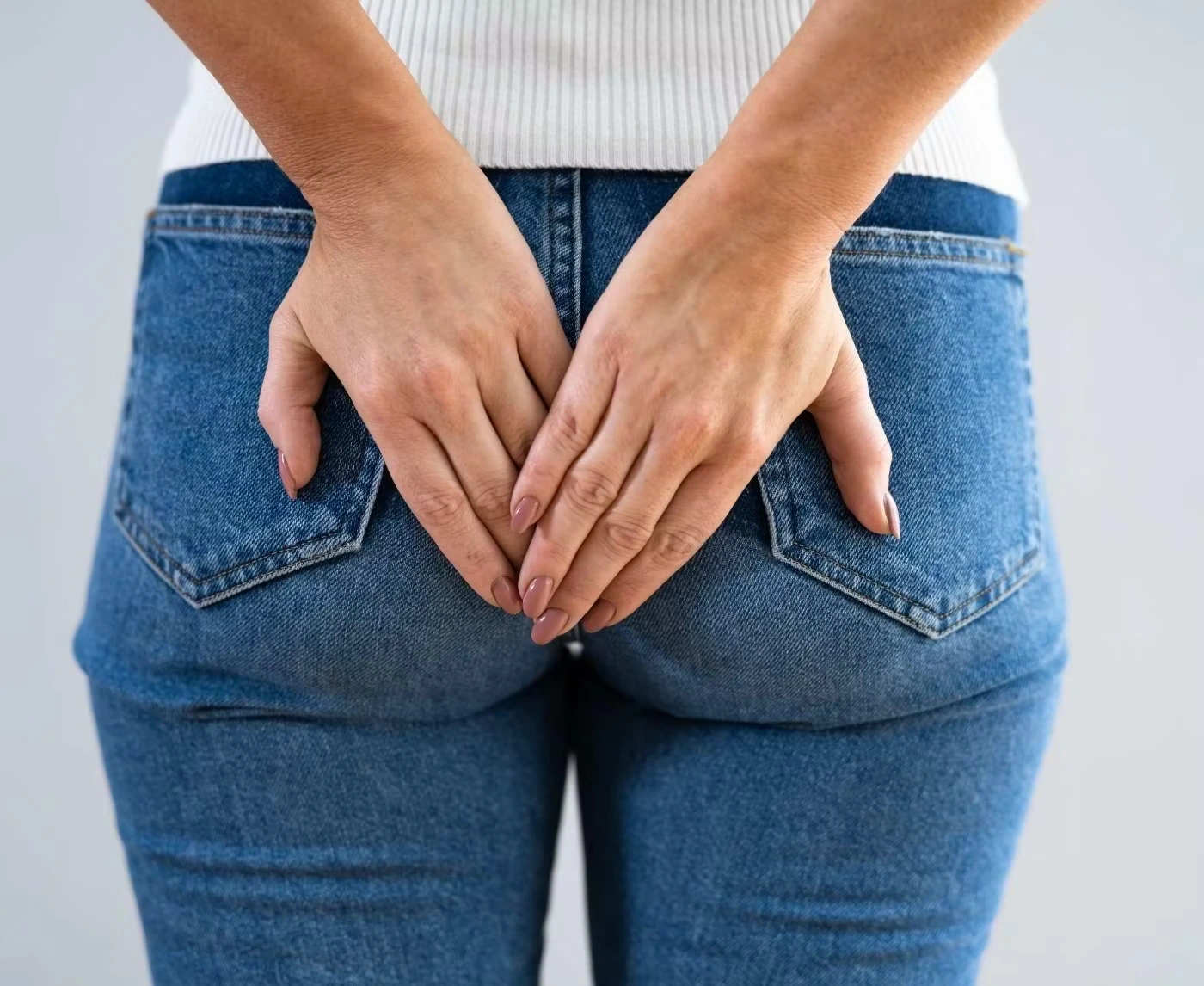
Itchy After Anal Sex? Here’s What It Could Really Mean
Itchy After Anal Sex? Here's What It Could Really Mean
Experiencing itching after anal sex can feel uncomfortable, confusing, or even concerning. In many cases, temporary itching may result from irritation or friction, but sometimes it can also signal infections, allergies, skin conditions, or other health concerns.
Understanding possible causes may help support safer intimacy, comfort, and better sexual health awareness.
This guide explains some common reasons why itching may happen after anal sex, when medical attention may be important, and how to support your sexual health moving forward.
1. Friction and Skin Irritation
One of the most common causes of itching after anal sex is simple friction or skin irritation.
The skin around the anal area is sensitive and may become irritated from:
- Insufficient lubrication
- Prolonged friction
- Rough penetration
- Frequent wiping or cleaning afterward
Mild irritation may sometimes cause:
- Temporary itching
- Redness
- Soreness
- Burning sensations
Using adequate lubrication and gentle aftercare may help reduce irritation.
2. Allergic Reactions or Sensitivity
Some people may experience itching because of sensitivity or allergic reactions to products used during intimacy.
Possible triggers may include:
- Lubricants
- Latex condoms
- Scented products
- Soaps or wipes
- Spermicides
Symptoms of irritation or sensitivity may include itching, redness, swelling, or discomfort shortly after contact.
According to the Mayo Clinic, allergic reactions and contact dermatitis can develop when sensitive skin is exposed to irritating products.
3. Small Tears or Micro-Irritation
Tiny skin tears, sometimes called microtears, may occur during anal sex—especially if there is insufficient lubrication or tension.
These small tears may cause:
- Itching during healing
- Discomfort
- Minor bleeding
- Sensitivity
Allowing time for healing and avoiding additional irritation may help reduce symptoms.
4. Hemorrhoids or Existing Skin Conditions
Anal itching may become worse if someone already has:
- Hemorrhoids
- Eczema
- Psoriasis
- Sensitive skin
- Inflammation around the area
Sexual activity may temporarily aggravate these conditions and increase discomfort or itching afterward.
The Cleveland Clinic notes that hemorrhoids commonly cause itching, irritation, and discomfort around the anal area.
5. Possible Infections
Sometimes itching after anal sex may be linked to infections or sexually transmitted infections (STIs).
Possible infections may include:
- Yeast infections
- Bacterial infections
- STIs affecting the rectal area
Additional symptoms that may require medical evaluation include:
- Persistent itching
- Pain
- Unusual discharge
- Bleeding
- Sores or bumps
- Fever
Only a qualified healthcare professional can properly diagnose infections or STI-related symptoms.
The CDC recommends STI testing when symptoms develop or when there are concerns about possible exposure.
6. Hygiene and Over-Cleaning
Both poor hygiene and excessive cleaning may contribute to irritation.
Over-cleaning with harsh soaps, scented wipes, or aggressive scrubbing may damage sensitive skin and worsen itching.
Gentle cleansing with mild, unscented products is usually recommended.
7. When to Seek Medical Advice
Occasional mild irritation may improve on its own, but medical evaluation may be important if symptoms:
- Persist for several days
- Become painful
- Include bleeding or sores
- Appear alongside unusual discharge
- Cause severe discomfort
Seeking professional medical guidance may help identify underlying causes and appropriate treatment options.
If STI exposure is a concern, consider discussing testing options with a healthcare provider or reviewing our Symptoms & Testing resources.
Safer and More Comfortable Intimacy Tips
Some healthier intimacy practices may help reduce irritation and discomfort:
- Use sufficient lubrication
- Communicate about comfort and pain
- Move slowly and gently
- Practice safer sex
- Avoid harsh cleaning products
- Allow time for healing if irritation occurs
Open communication and safer intimacy practices may help improve comfort and emotional safety.
You may also find helpful guidance in:
Sexual Health Conversations Matter
Talking openly about sexual health, testing, boundaries, and protection can help partners make informed decisions and reduce anxiety around intimacy.
These conversations are not about judgment—they are about trust, respect, and protecting everyone's well-being.
Meet Positives supports informed, respectful, and safer sexual health discussions through its:
FAQ
Is itching after anal sex always serious?
Not always. Mild irritation from friction or sensitivity is common, but persistent symptoms may require medical evaluation.
Can lubrication help prevent itching?
Yes. Adequate lubrication may help reduce friction and skin irritation.
Can STIs cause anal itching?
Some STIs and infections may cause itching, irritation, sores, discharge, or discomfort in the rectal area.
Should you avoid harsh soaps afterward?
Yes. Harsh soaps, scented wipes, and aggressive cleaning may worsen irritation.
When should someone see a doctor?
Medical attention may be important if symptoms persist, worsen, or involve bleeding, sores, discharge, or severe pain.
Medical Disclaimer
This article is for educational and informational purposes only and should not be considered medical advice. Always consult a qualified healthcare professional regarding symptoms, diagnosis, treatment, STI testing, or sexual health concerns.
Bottom Line
Itching after anal sex may happen for many reasons, including irritation, friction, allergies, skin sensitivity, hemorrhoids, or possible infections. Understanding the cause and practicing safer, gentler intimacy may help reduce discomfort and support better sexual health awareness.
If symptoms persist, worsen, or are accompanied by bleeding, sores, discharge, or severe pain, professional medical evaluation is important.
Join the Meet Positives Community
Meet Positives provides a supportive environment where people can discuss dating, relationships, sexual health, and life with confidence and without stigma.
You can join free, browse our STD Dating community, explore Herpes Dating, HIV Dating, and HPV Dating, visit our Safety Center, read additional Sexual Health & Safer Intimacy articles, or learn more on the Meet Positives homepage.
Share This Story, Choose Your Platform!
Current User
Comments (0)
Ask A Question
Have A Question, Personal Story, Or Situation You'd Like Help With? Share It Here. The More Context You Include, The More Thoughtful And Useful Our Guidance Can Be.
Our Editorial Team (And Occasional Relationship Contributors) May Choose Selected Submissions To Answer In An Upcoming Blog Post. All Submissions Are Reviewed And Published Anonymously—We Will Never Include Identifying Details.
Important:
If Your Question Is About Your Account, Billing, Upgrades, Reports, Or Technical Issues, Please Contact Customer Care Through The Help Pages So We Can Assist You Faster.
Tips For A Better Answer (Optional):
- Your Age Range + What You're Looking For (Dating, Friendship, Support)
- What You've Tried So Far
- What You're Hoping Happens Next
- Any Boundaries Or Dealbreakers You Want Respected
Responses Shared Here Are For General Information Only And Aren't Medical, Legal, Or Mental-Health Advice.
We Can't Provide Real-Time Or One-On-One Support Through This Form.