
The Rise of At-Home STD Testing — What It Means for Dating Today
The Rise of At-Home STD Testing — What It Means for Dating Today
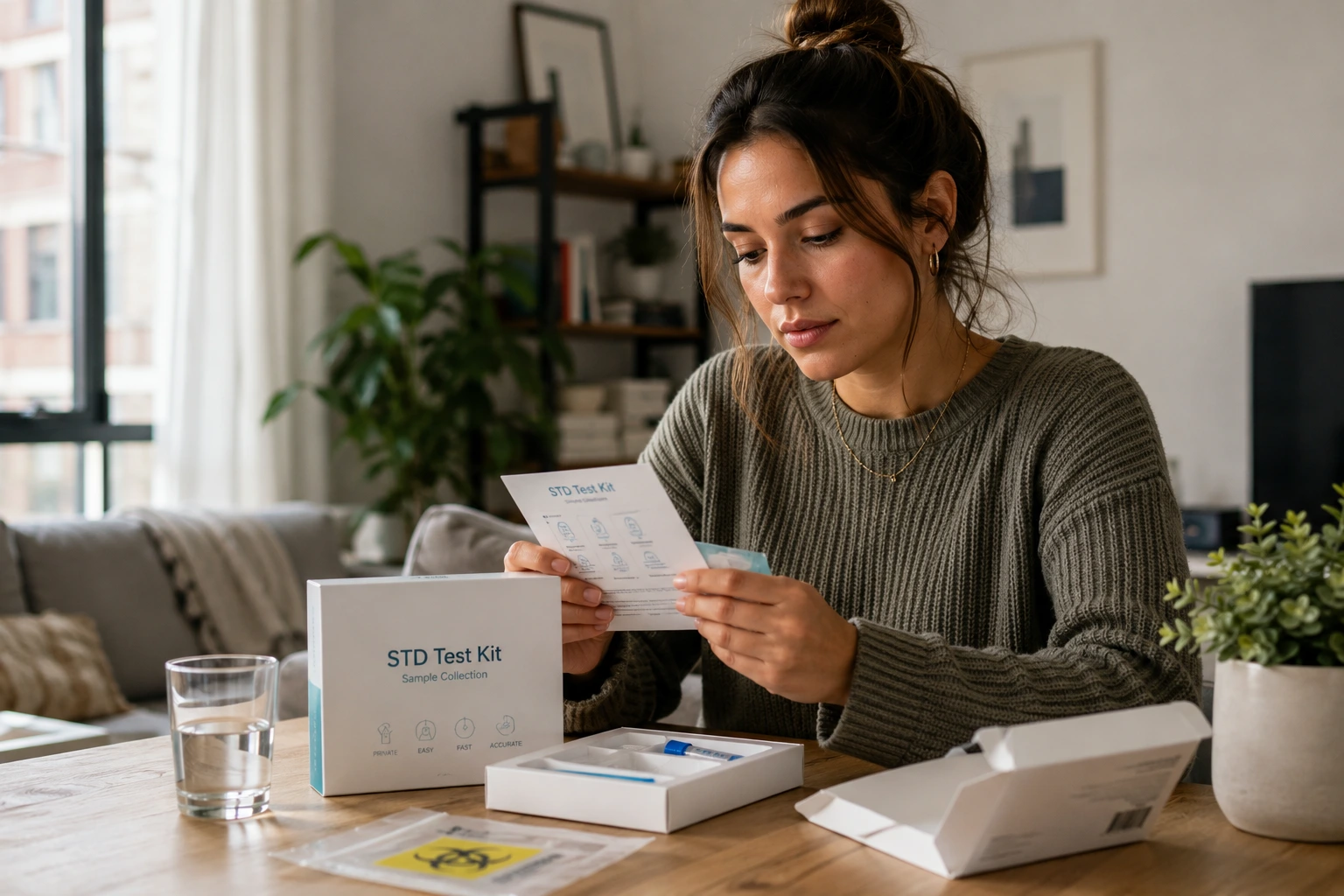
At-home STD testing is becoming increasingly popular as more people look for private, convenient, and accessible ways to manage their sexual health.
Health experts say modern testing options are changing how many people approach dating, intimacy, and conversations around sexual wellness.
Across social media, online communities, and dating discussions, more people are openly talking about:
- Ordering STI test kits online
- Testing before new relationships
- Privacy concerns around clinics
- Fear of stigma when getting tested
- How testing affects dating confidence
While at-home testing offers convenience, healthcare professionals continue emphasizing the importance of accurate education, follow-up care, and honest communication with partners.
Why More People Are Choosing At-Home STD Testing
Many people say at-home testing feels less intimidating than visiting a clinic in person.
Commonly reported reasons include:
- Privacy and discretion
- Convenience from home
- Faster access to testing
- Reduced embarrassment
- More control over personal health decisions
For some individuals, at-home testing may feel emotionally safer than discussing sexual health in public healthcare settings.
Related reading:
- STD Testing 101: Why Your Results Might Miss Herpes, HPV & More
- First Herpes Outbreak or Positive Test: What to Expect
Modern Dating Is Changing Sexual Health Conversations
Many people believe dating culture has shifted significantly in recent years.
Dating apps and online relationships have increased conversations around:
- Routine STI testing
- Disclosure before intimacy
- Safer sex practices
- Sexual health transparency
Many people now view regular testing as a normal part of responsible dating rather than something associated with shame.
These changing attitudes are helping normalize discussions that were once considered uncomfortable or taboo.
Some STIs May Not Show Symptoms
One reason testing remains important is because many STIs may spread without visible symptoms.
This may include:
- Chlamydia
- Gonorrhea
- HPV
- Herpes (HSV)
- HIV during its early stages
According to the CDC, many sexually transmitted infections can remain asymptomatic, making routine testing an important part of sexual health management.
Many people only discover infections through routine testing rather than symptoms alone.
Additional reading:
- Transmission Real Talk: Asymptomatic Spread, Risks & Protection
- Positive Singles Dating After STD Diagnosis: What Works
The Emotional Side of STI Testing
For many people, STI testing is not only medical — it is emotional as well.
People frequently report concerns about:
- Judgment
- Stigma
- Embarrassment
- Anxiety about results
- Fear of disclosure
At-home testing may help reduce some emotional barriers by allowing people to test privately and comfortably.
However, emotional support remains important regardless of where testing occurs.
Related resources:
- The Mental Health Impact of STI Testing Stigma
- My Life Isn't Over: Emotional Coping After an STD Diagnosis
Healthcare Experts Still Encourage Follow-Up Care
While at-home tests can increase accessibility, healthcare professionals continue recommending:
- Professional medical guidance
- Confirmatory testing when needed
- Routine healthcare visits
- Accurate sexual health education
Testing is most effective when combined with informed medical support and open communication.
Organizations such as the CDC and World Health Organization (WHO) continue emphasizing the importance of testing, treatment, and ongoing sexual health education.
Testing Does Not Define Your Worth
Many sexual health advocates emphasize that getting tested should never be viewed as shameful.
In fact, many people now view regular STI testing as:
- A form of self-care
- Respect for partners
- A healthy dating practice
- A sign of responsibility
Reducing stigma around testing may help more people prioritize sexual health without fear.
If testing leads to difficult conversations, these guides may help:
How At-Home Testing May Influence Dating Culture
As testing becomes more accessible, many people believe sexual health conversations will become a more routine part of dating.
Potential benefits include:
- Earlier detection of infections
- Greater sexual health awareness
- More transparency between partners
- Reduced stigma around testing
- More informed decisions about intimacy
While testing alone cannot eliminate STI transmission, increased awareness can help people make healthier decisions in relationships.
Meet Positives Supports Honest & Safe Conversations
Meet Positives supports informed, respectful, and emotionally safe conversations around sexual health, dating, and disclosure through:
Frequently Asked Questions
Why are at-home STD tests becoming more popular?
Many people prefer the privacy, convenience, and accessibility of testing from home.
Can STIs exist without symptoms?
Yes. Many STIs may remain asymptomatic, which is why routine testing remains important.
Do healthcare professionals support at-home testing?
Many experts support increased access to testing while still encouraging professional follow-up care and education.
Is STI testing something to feel ashamed about?
No. Many people now view regular testing as a healthy and responsible part of dating and sexual wellness.
Why does testing matter in modern dating?
Testing helps people make informed decisions, improve communication, and reduce transmission risks.
Source
This article was inspired by reporting on the growing popularity of at-home STI testing.
AP News — At-Home STD Testing Is Becoming More Popular
Medical Disclaimer
This article is for educational and informational purposes only and should not be considered medical advice. Always consult qualified healthcare professionals regarding STI testing, diagnosis, treatment, or sexual health concerns.
Bottom Line
The rise of at-home STD testing reflects changing attitudes around sexual health, privacy, and modern dating culture.
As more people normalize testing conversations, education, communication, and reducing stigma may continue helping individuals make safer and healthier relationship decisions.
Join the Meet Positives Community
Looking for a supportive environment where sexual health conversations can happen without judgment? Meet Positives helps people connect, build relationships, and communicate openly about their experiences.
You can join free, browse our STD Dating community, explore Herpes Dating, HIV Dating, and HPV Dating, visit the Safety Center, read more Symptoms & Testing articles, or learn more on the Meet Positives homepage.
Share This Story, Choose Your Platform!
Current User
Comments (0)
Ask A Question
Have A Question, Personal Story, Or Situation You'd Like Help With? Share It Here. The More Context You Include, The More Thoughtful And Useful Our Guidance Can Be.
Our Editorial Team (And Occasional Relationship Contributors) May Choose Selected Submissions To Answer In An Upcoming Blog Post. All Submissions Are Reviewed And Published Anonymously—We Will Never Include Identifying Details.
Important:
If Your Question Is About Your Account, Billing, Upgrades, Reports, Or Technical Issues, Please Contact Customer Care Through The Help Pages So We Can Assist You Faster.
Tips For A Better Answer (Optional):
- Your Age Range + What You're Looking For (Dating, Friendship, Support)
- What You've Tried So Far
- What You're Hoping Happens Next
- Any Boundaries Or Dealbreakers You Want Respected
Responses Shared Here Are For General Information Only And Aren't Medical, Legal, Or Mental-Health Advice.
We Can't Provide Real-Time Or One-On-One Support Through This Form.