
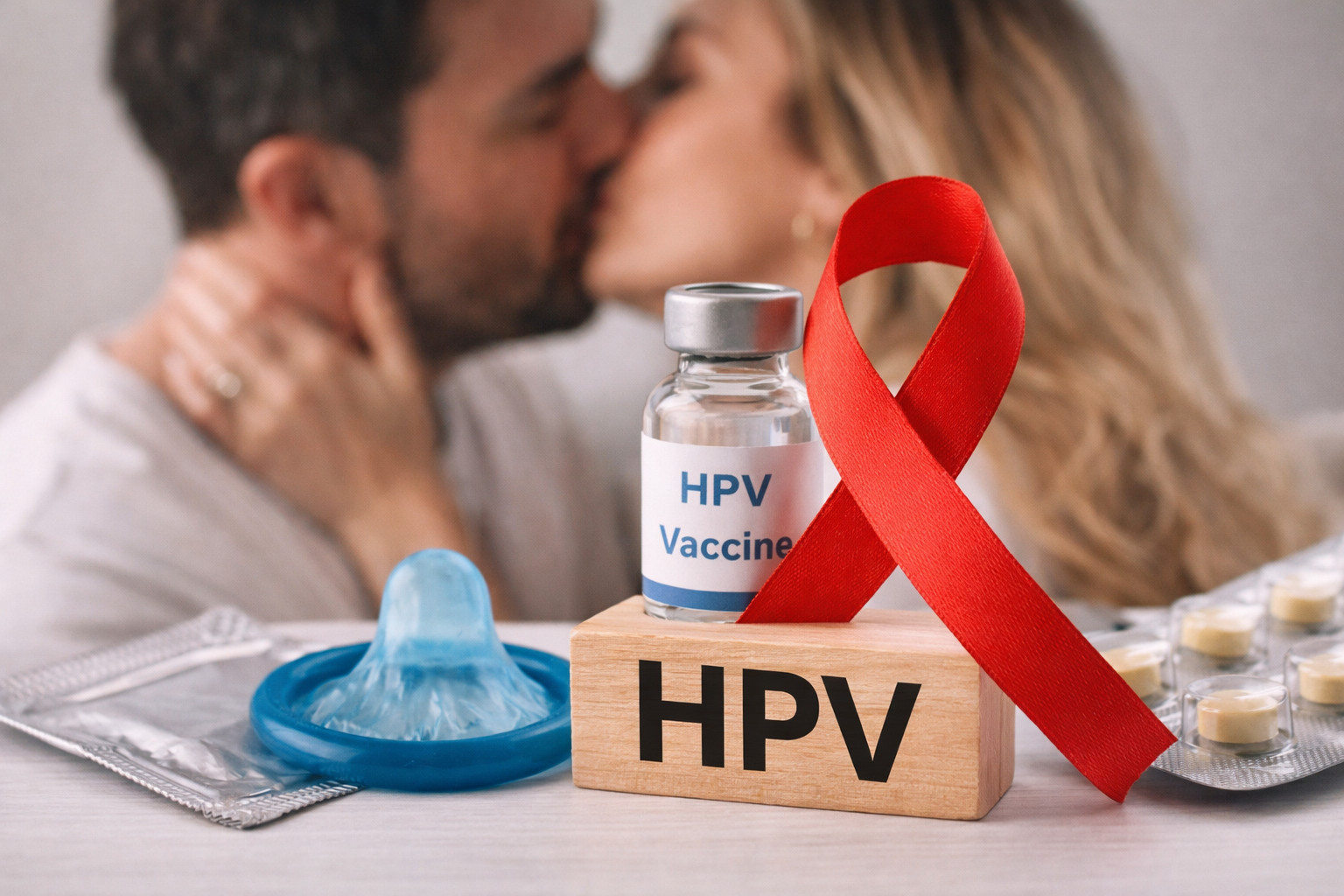
Study Suggests Oral Sex May Become Leading Cause of Throat Cancer in the U.S. and U.K.
Study Suggests Oral Sex May Become a Leading Cause of Throat Cancer in the U.S. and U.K.
Recent health reports suggest that HPV-related infections transmitted through oral sex may soon become one of the leading causes of throat cancer in both the United States and the United Kingdom.
Medical experts have observed a significant rise in throat cancer cases linked to human papillomavirus (HPV), a common virus that can spread through intimate skin-to-skin contact, including oral sex.
While smoking was historically considered the primary risk factor for throat cancer, researchers now report that HPV-related cases have increased dramatically over the past two decades.
How HPV Is Connected to Throat Cancer
HPV is one of the most common sexually transmitted infections worldwide. Most HPV infections cause no symptoms and resolve naturally without treatment.
However, certain high-risk strains of HPV have been linked to several types of cancer, including cancers affecting the:
- Throat
- Tonsils
- Base of the tongue
- Cervix
- Anus
- Penis
Because HPV infections often produce no symptoms, many people may not realize they carry the virus.
For medically reviewed information about HPV, visit the CDC HPV Resource Center.
Why Are HPV-Related Throat Cancer Cases Increasing?
Researchers believe the increase may be connected to changing sexual behaviors over the past several decades, including greater exposure to oral HPV infections.
At the same time:
- Smoking rates have declined in many regions
- Smoking-related throat cancers have decreased
- HPV-related throat cancer cases have continued to rise
This shift does not mean intimacy is inherently unsafe. Instead, it highlights the importance of awareness, education, prevention, and regular healthcare.
Health professionals emphasize that understanding HPV and its long-term risks allows people to make informed decisions about their sexual health.
The Importance of HPV Vaccination
One of the most effective tools for preventing HPV-related cancers is vaccination.
The HPV vaccine helps protect against several high-risk HPV strains that are associated with cancer and genital warts.
Healthcare providers may recommend vaccination for:
- Children and adolescents
- Young adults who have not yet been vaccinated
- Certain adults based on individual circumstances
If you have questions about vaccination eligibility, consult your healthcare provider.
Additional information is available through the CDC HPV Vaccination Guide.
Protecting Your Sexual Health
Medical experts recommend several strategies to help reduce HPV-related health risks.
- Get vaccinated against HPV if eligible
- Have open conversations about sexual health with partners
- Use appropriate protection during intimate activity
- Attend regular health screenings and checkups
- Seek medical evaluation for persistent symptoms
Awareness and prevention remain some of the most effective ways to reduce the risk of long-term complications.
For more information on safer intimacy and sexual wellness, visit our Sexual Health & Safer Intimacy resources.
Why Honest Conversations Matter
Many people avoid discussions about sexual health because of embarrassment, stigma, or fear of judgment.
Unfortunately, avoiding these conversations can increase risk and delay early detection of health concerns.
Open communication with:
- Partners
- Doctors
- Healthcare providers
can improve awareness, encourage testing, and support healthier relationships.
If you're unsure how to discuss sexual health with a partner, explore our guide on disclosure and communication.
Reducing Stigma Through Education
HPV is extremely common, and most sexually active adults will encounter the virus at some point in their lives.
Education helps replace fear and misinformation with understanding.
By encouraging awareness, vaccination, and open dialogue, communities can help reduce stigma and improve public health outcomes.
If you are navigating concerns related to sexual health, diagnosis, or stigma, our Mental Health & Stigma resources may provide additional support.
Supportive Communities Make a Difference
For individuals living with HPV and other sexually transmitted infections, supportive communities can help reduce feelings of isolation and provide valuable information.
Meet Positives offers communities where members can connect, share experiences, and build relationships without fear of judgment.
Final Thoughts
The rise in HPV-related throat cancer cases serves as an important reminder that sexual health is an essential part of overall health and well-being.
Staying informed, considering vaccination, attending regular screenings, and maintaining honest conversations with partners and healthcare providers can help reduce risk and improve long-term outcomes.
Awareness remains one of the most powerful tools for protecting both yourself and your partners.
Join the Meet Positives Community
Meet Positives helps people build meaningful relationships in a supportive and understanding environment.
You can join free, explore our HPV Dating community, browse the STD Dating platform, connect through Herpes Dating and HIV Dating, visit the Safety Center, review our Community Guidelines, or learn more on the Meet Positives homepage.
Note: This article is for informational purposes only and does not replace professional medical advice. Consult a qualified healthcare provider regarding HPV prevention, vaccination, screening, and treatment.
Share This Story, Choose Your Platform!
Current User
Comments (0)
Ask A Question
Have A Question, Personal Story, Or Situation You'd Like Help With? Share It Here. The More Context You Include, The More Thoughtful And Useful Our Guidance Can Be.
Our Editorial Team (And Occasional Relationship Contributors) May Choose Selected Submissions To Answer In An Upcoming Blog Post. All Submissions Are Reviewed And Published Anonymously—We Will Never Include Identifying Details.
Important:
If Your Question Is About Your Account, Billing, Upgrades, Reports, Or Technical Issues, Please Contact Customer Care Through The Help Pages So We Can Assist You Faster.
Tips For A Better Answer (Optional):
- Your Age Range + What You're Looking For (Dating, Friendship, Support)
- What You've Tried So Far
- What You're Hoping Happens Next
- Any Boundaries Or Dealbreakers You Want Respected
Responses Shared Here Are For General Information Only And Aren't Medical, Legal, Or Mental-Health Advice.
We Can't Provide Real-Time Or One-On-One Support Through This Form.