
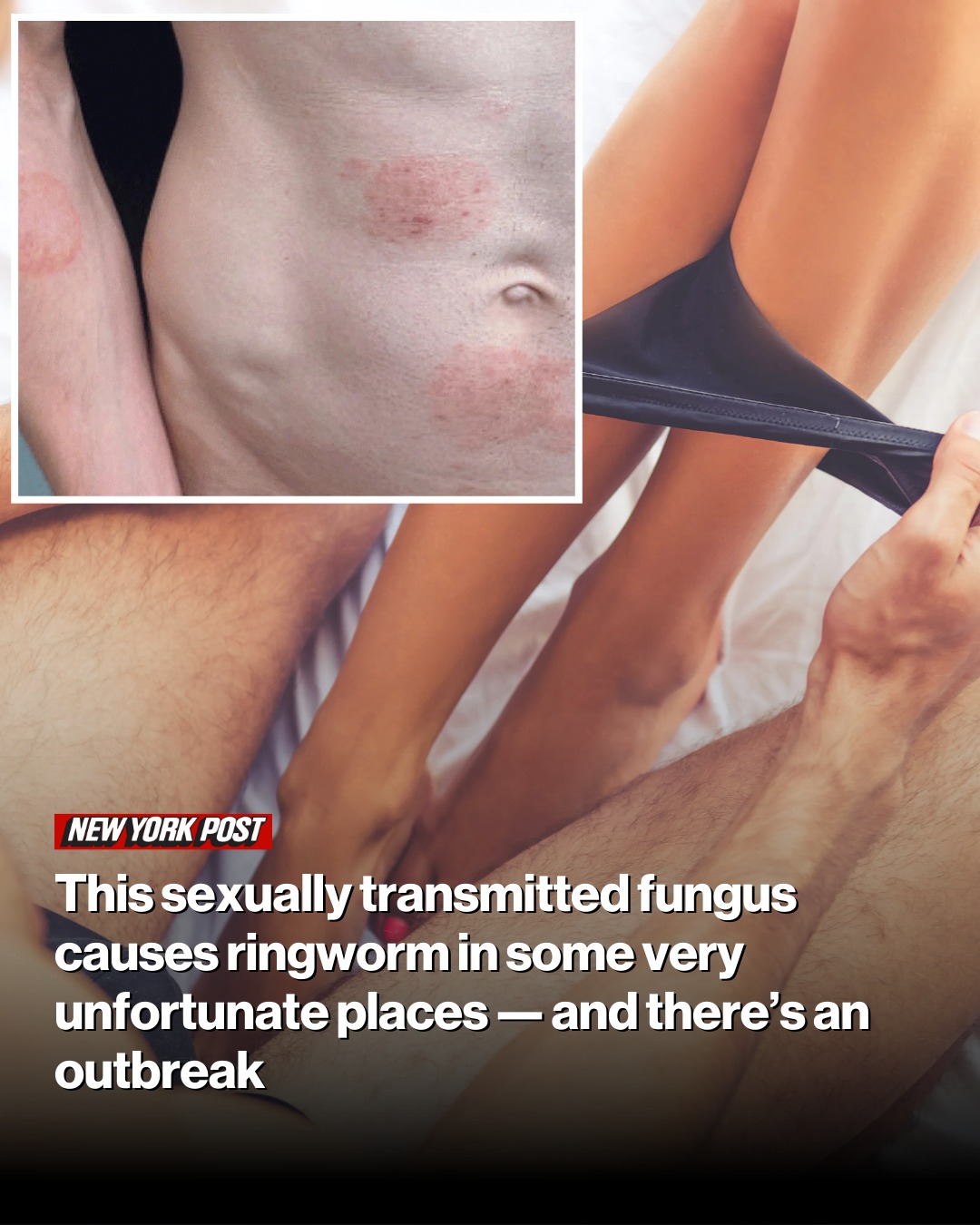
New STI Outbreak Linked to Ringworm in Intimate Areas
New STI Outbreak Linked to Ringworm in Intimate Areas: What You Need to Know About TMVII
Health officials are monitoring an emerging fungal infection known as Trichophyton mentagrophytes genotype VII (TMVII), a ringworm-like skin infection that may spread through close skin-to-skin contact, including sexual contact.
While ringworm is often associated with the scalp, feet, or torso, TMVII has drawn attention because it can appear in intimate areas of the body and may be mistaken for other skin conditions.
The goal is not panic. The goal is awareness and informed decision-making.
What Is TMVII?
TMVII is a type of dermatophyte fungus that causes a skin infection commonly known as ringworm, despite the fact that no worm is involved.
Recent public health reports have identified cases involving rashes on the genitals, buttocks, abdomen, thighs, face, and other areas of the body. Because symptoms can resemble eczema, psoriasis, or other skin conditions, proper diagnosis may sometimes be delayed.
According to public health authorities, cases have been reported in the United States and other countries, with health officials continuing to monitor the spread of the infection.
For additional information about fungal infections, visit the CDC Fungal Diseases Resource Center.
Symptoms to Watch For
TMVII symptoms may look similar to traditional ringworm, but some infections can become more painful, persistent, or inflamed.
Possible symptoms include:
- Itchy, round, or circular rashes
- Red, irritated, or scaly patches of skin
- Rashes near the genitals, buttocks, thighs, abdomen, or face
- Painful or inflamed skin lesions
- Pustules or pimple-like bumps
- Rashes that do not improve with over-the-counter treatments
- Skin irritation that resembles eczema or psoriasis
If you experience an unusual rash after close physical or sexual contact, it is important to seek medical evaluation rather than self-diagnosing.
How Does TMVII Spread?
TMVII spreads primarily through direct skin-to-skin contact. This can include intimate or sexual contact, but transmission is not limited to sexual activity.
Fungal spores may also spread through:
- Shared towels
- Shared bedding
- Clothing
- Razors
- Other contaminated personal items
Because the infection may be contagious, early identification and treatment are important for preventing additional spread.
Is TMVII Considered an STI?
TMVII is not classified as a traditional sexually transmitted infection in the same way as herpes, chlamydia, gonorrhea, or HIV.
However, because it can spread through intimate skin-to-skin contact, health professionals are paying close attention to cases associated with sexual activity.
This serves as an important reminder that sexual health includes more than viral and bacterial infections. Skin health, hygiene, communication, and awareness also play important roles.
Can TMVII Be Treated?
Yes. TMVII is treatable.
While mild fungal infections may sometimes respond to topical antifungal medications, some TMVII infections may require prescription oral antifungal treatment and longer treatment periods.
Healthcare providers may perform:
- Physical examinations
- Skin scrapings
- Laboratory testing
- Fungal cultures
to confirm the diagnosis and determine the most appropriate treatment plan.
Anyone who suspects they may have TMVII should avoid sexual contact until they have been evaluated by a healthcare professional.
Prevention Tips
Reducing the risk of fungal skin infections involves both personal hygiene and awareness.
- Avoid sexual or close contact with visible rashes
- Do not share towels, razors, bedding, or clothing
- Wash hands after touching affected skin
- Keep suspicious rashes covered when possible
- Wash clothing and bedding thoroughly
- Seek medical attention for persistent or spreading rashes
- Notify recent partners if a contagious infection is diagnosed
Practicing good hygiene and addressing symptoms early can significantly reduce transmission risks.
Why This Matters for Sexual Health Conversations
TMVII serves as a reminder that sexual health extends beyond commonly discussed STDs and STIs.
Open conversations about symptoms, testing, personal health, and medical concerns help protect everyone involved in a relationship.
Honest communication helps:
- Reduce stigma
- Encourage early diagnosis
- Improve treatment outcomes
- Protect partners
- Build healthier relationships
For additional guidance on sexual health and safer intimacy, visit our Sexual Health & Safer Intimacy resources.
Breaking Stigma Through Education
Many people delay seeking treatment because they fear embarrassment, judgment, or misunderstanding.
Unfortunately, stigma often creates larger problems by delaying diagnosis and increasing the likelihood of transmission.
Education and awareness help replace fear with informed action.
At Meet Positives, we believe honest conversations create safer relationships and stronger communities.
You may also find support through our Mental Health & Stigma resources.
Find Supportive Connections
Whether you are managing herpes, HIV, HPV, another STI, or a new sexual health concern, support and understanding matter.
Meet Positives provides a welcoming community where members can connect without fear of judgment.
Explore:
Final Thoughts
TMVII is an emerging fungal infection that may spread through intimate skin-to-skin contact and cause ringworm-like rashes in sensitive areas of the body.
While the overall public risk appears relatively low, awareness remains important. If you notice a persistent, itchy, painful, or unusual rash—especially after intimate contact—seek medical attention and avoid close contact until you receive proper evaluation.
Early diagnosis and treatment help protect both you and your partners.
Join the Meet Positives Community
Meet Positives helps people build meaningful relationships in a supportive and understanding environment.
You can join free, browse our STD Dating community, connect through our Herpes Dating, HIV Dating, and HPV Dating communities, visit the Safety Center, review our Community Guidelines, or learn more on the Meet Positives homepage.
Note: This article is for informational purposes only and does not replace professional medical advice. Always consult a qualified healthcare provider regarding diagnosis and treatment.
Share This Story, Choose Your Platform!
Staff Writer
Comments (0)
Ask A Question
Have A Question, Personal Story, Or Situation You'd Like Help With? Share It Here. The More Context You Include, The More Thoughtful And Useful Our Guidance Can Be.
Our Editorial Team (And Occasional Relationship Contributors) May Choose Selected Submissions To Answer In An Upcoming Blog Post. All Submissions Are Reviewed And Published Anonymously—We Will Never Include Identifying Details.
Important:
If Your Question Is About Your Account, Billing, Upgrades, Reports, Or Technical Issues, Please Contact Customer Care Through The Help Pages So We Can Assist You Faster.
Tips For A Better Answer (Optional):
- Your Age Range + What You're Looking For (Dating, Friendship, Support)
- What You've Tried So Far
- What You're Hoping Happens Next
- Any Boundaries Or Dealbreakers You Want Respected
Responses Shared Here Are For General Information Only And Aren't Medical, Legal, Or Mental-Health Advice.
We Can't Provide Real-Time Or One-On-One Support Through This Form.